Contactless energy transfer through eddy currents
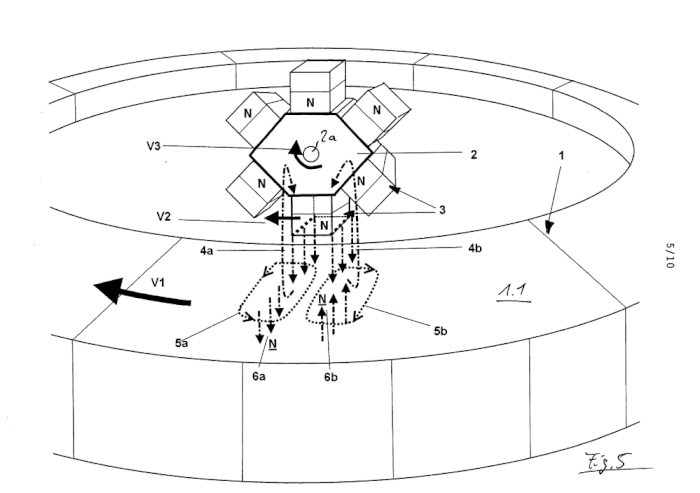
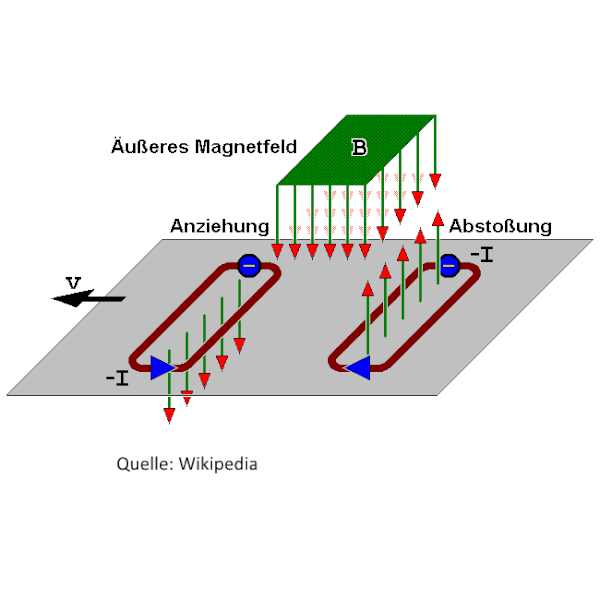
Inside the generator is a magnet wheel with alternating poles, mounted close to the bicycle rim without touching it. The bicycle rim is generally made of aluminium and is therefore non-magnetic but electrically conductive. As the rim rotates, the magnetic fields of the magnet wheel create an electric current in the rim, known as an eddy current. As soon as electric current flows, a magnetic field is created, so the eddy currents also produce magnetic fields of alternating polarity in the rim. These magnetic fields are sufficient to attract or repel the magnet wheel and set it in rotation. A copper coil surrounds the magnet wheel; when the alternating-pole magnets rotate, an alternating current is induced in the coil. Rectifier electronics use this alternating current to power the LEDs. In this way, energy can be transferred from the rotating rim to the fully encapsulated generator without mechanical friction and without additional magnets or ferromagnetic elements in the rim.

Magnic Light technology can be implemented efficiently thanks to extremely strong neodymium magnets. The neodymium magnets used have an energy density of 52 MGOe (N52 magnetisation).
This is currently the highest magnetisation used industrially. The magnets have a specially adapted shape and are arranged in a particular configuration. Neodymium magnets retain their magnetisation for an almost unlimited period, whereas other types of magnet can lose magnetic strength over time even without external influences.
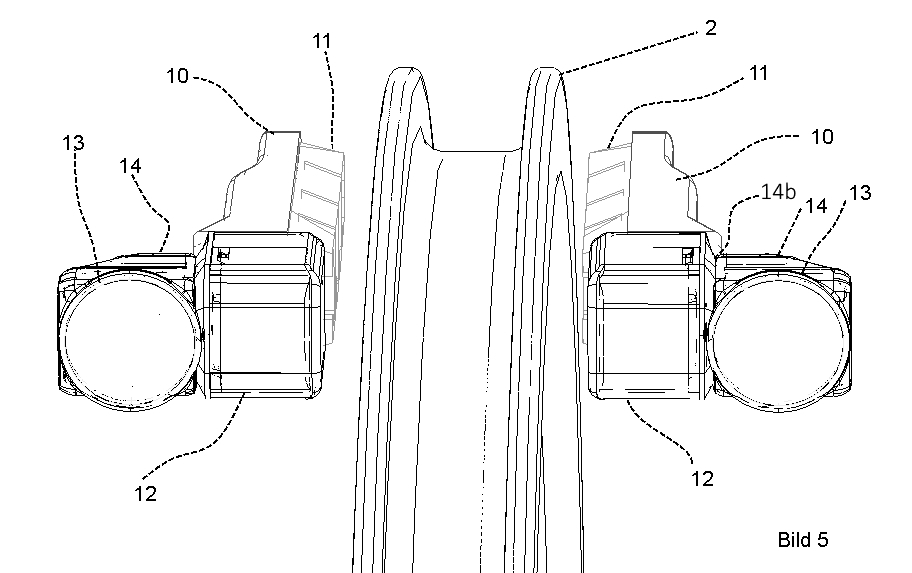
The standard magnet wheel shown here works with all metallic rims – not only aluminium rims but also magnetic steel rims and disc-brake systems.
Light distribution & optics
StVZO-compliant light distribution with minimal energy use
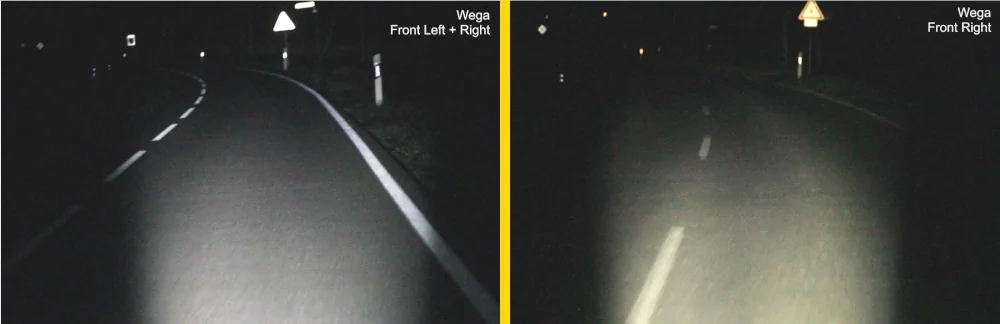
The light distribution of Magnic Microlights & Magnic Light Wega (front and rear lights) complies with the requirements of the German StVZO.
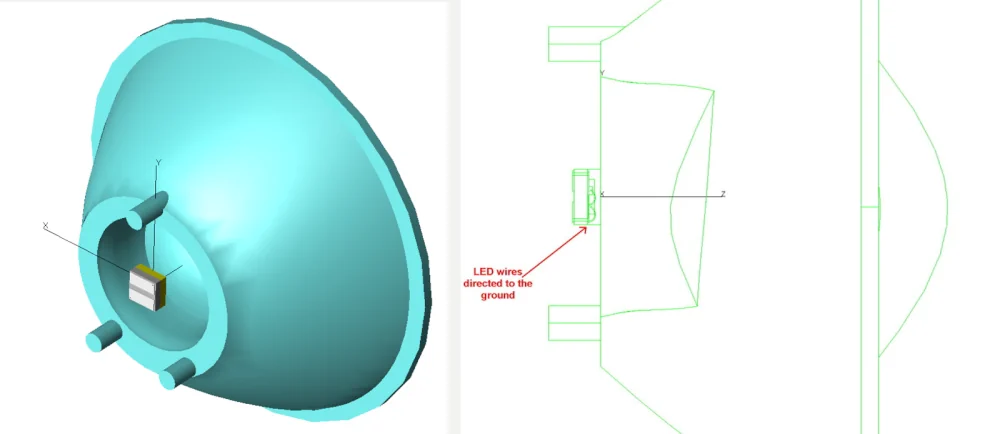
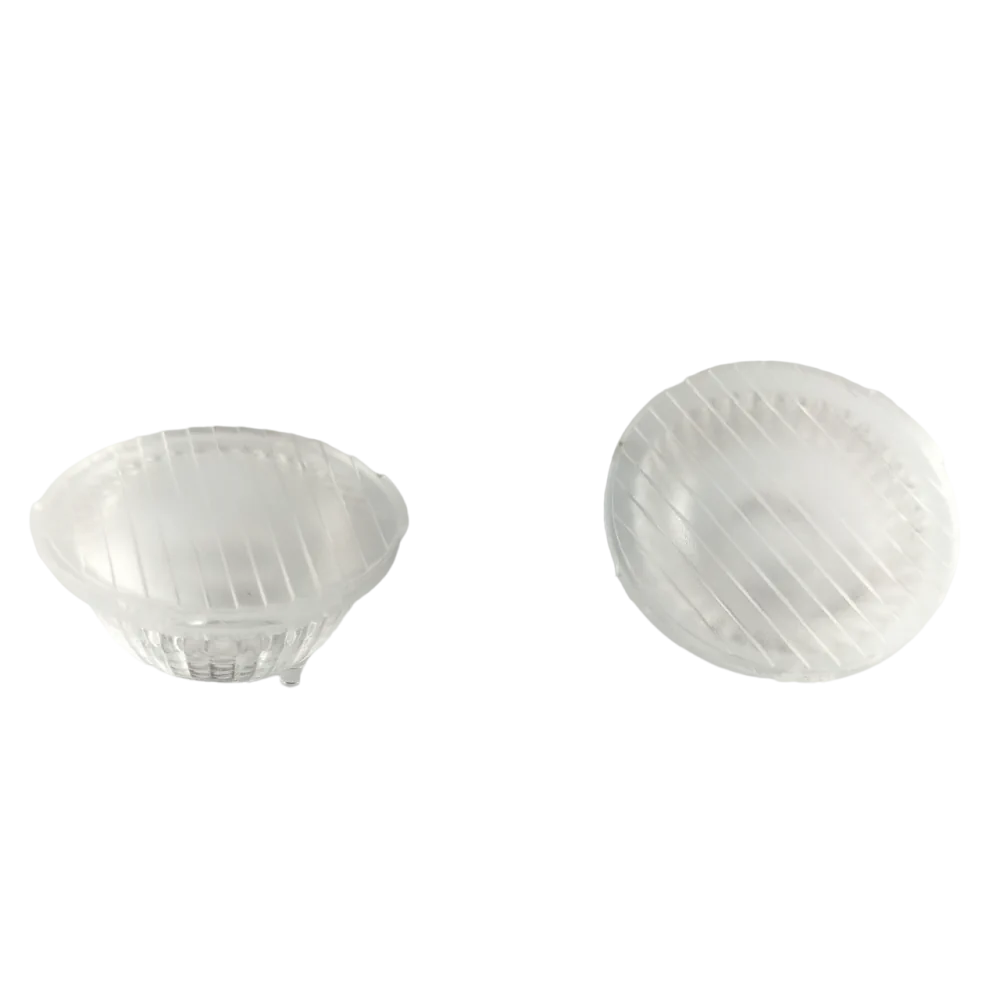
To achieve this ambitious goal, we commissioned OpticsForHire to develop a specific lens design with minimal dimensions that, under the given conditions (power generated by the Magnic Microlight generators), produces an StVZO-compliant light pattern.
The Cree XQE High Intensity model, with a footprint of only 1.6 × 1.6 mm, was selected as the ideal LED.
During a design phase lasting several months, with extensive simulations and repeated prototype tests and adjustments, the target for the front lights was ultimately achieved. Because the StVZO rules for rear lights changed during the development period, a separate new lens design was created for them.
The result is a very compact StVZO-approved headlight design in the Microlight and Wega front lights, with a diameter of only 20 mm.
With two front lights, the light beam is wider than with a single front light because shadowing by the tyre is reduced.
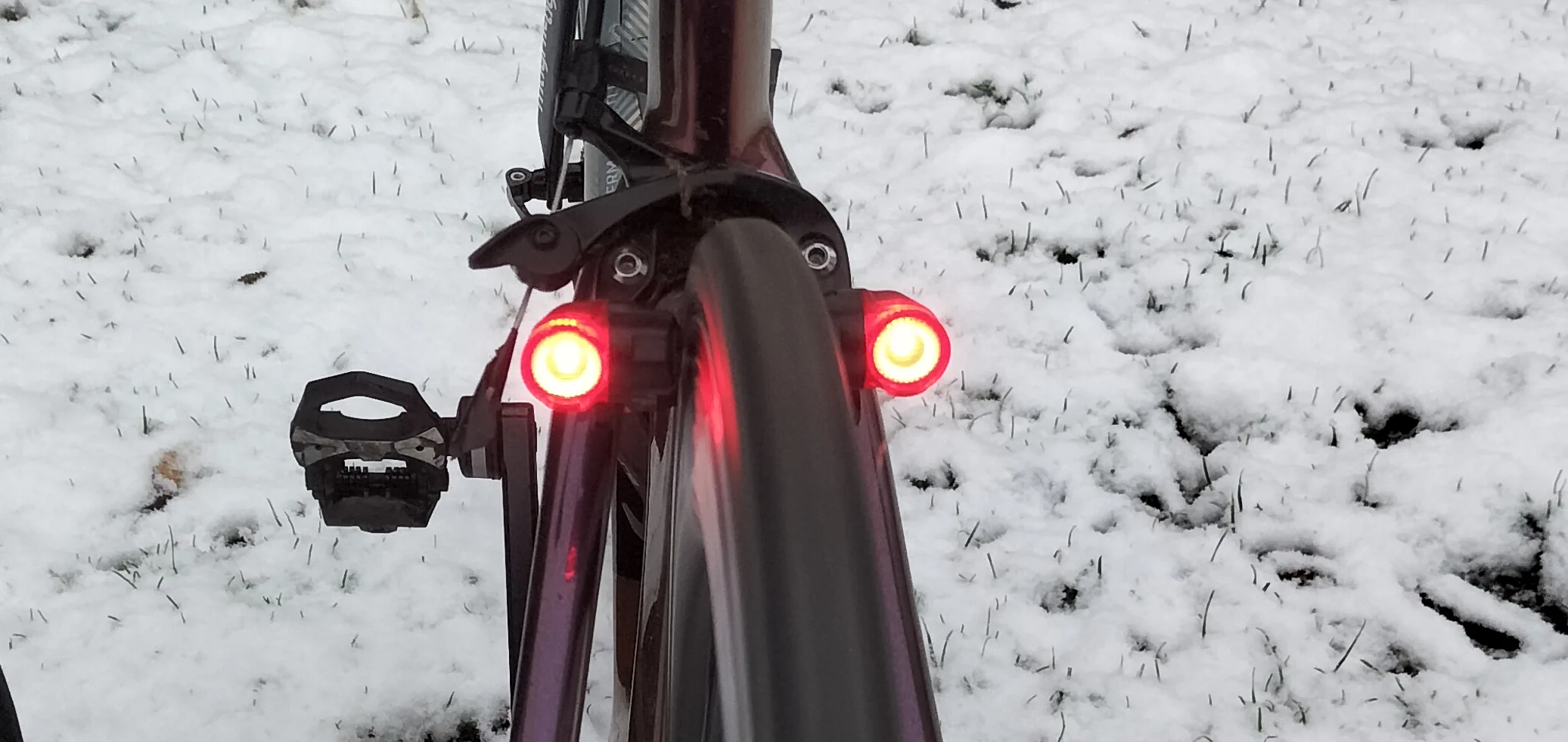
The rear lights have a capacitor that provides standlight for several minutes. Lenses with diffusing optics were developed for the rear lights to achieve even light distribution and good visibility even from oblique viewing angles.
Optics development
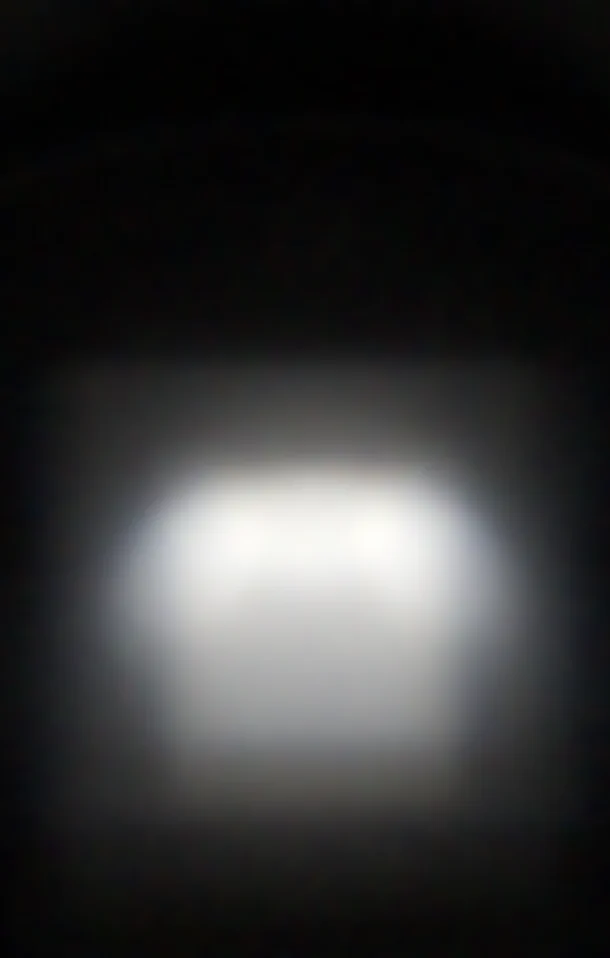
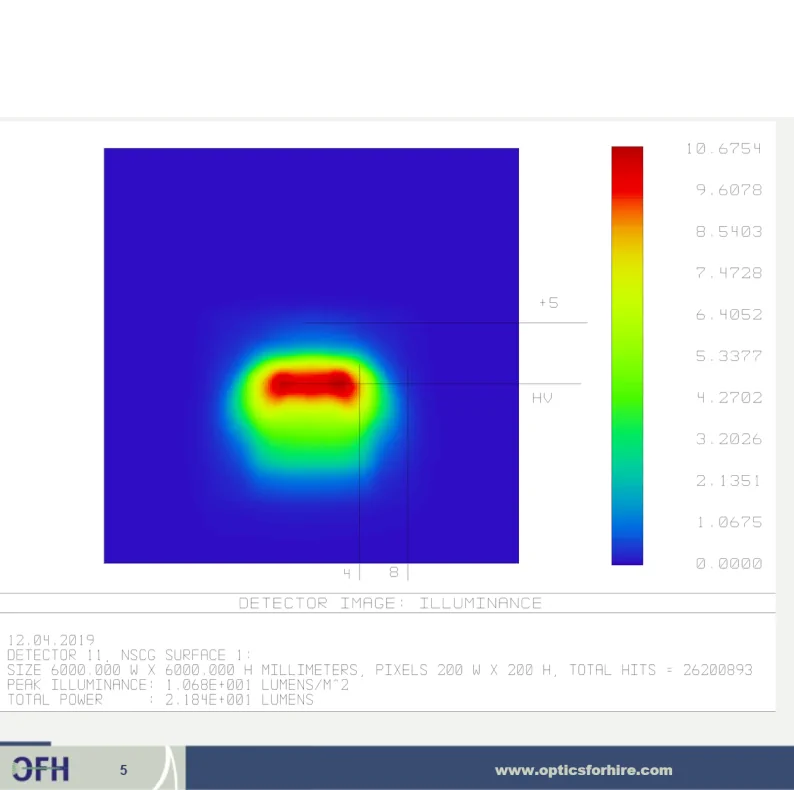
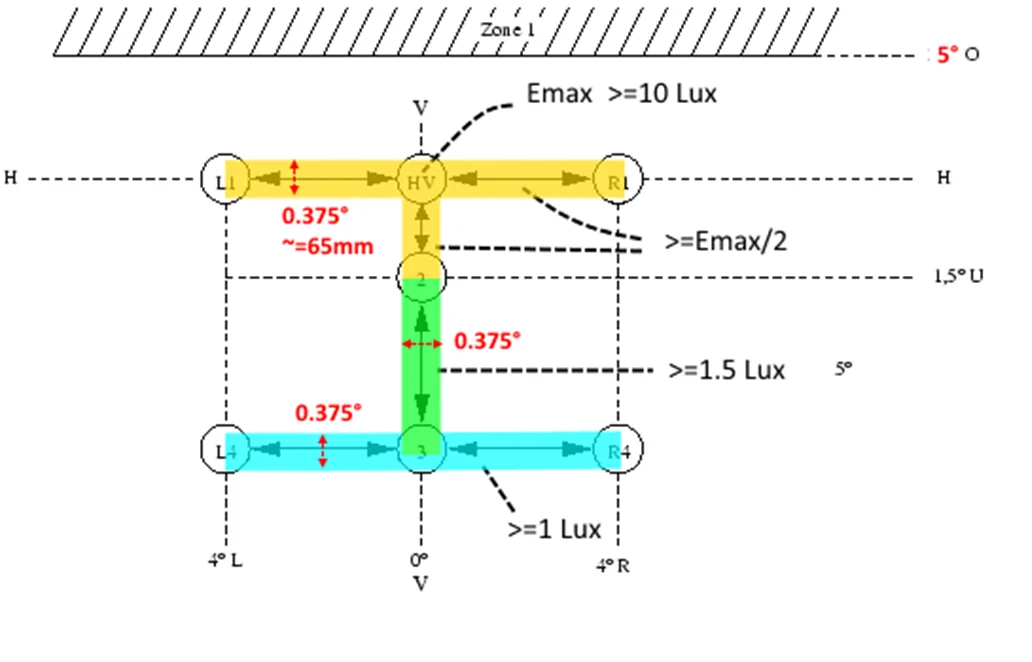
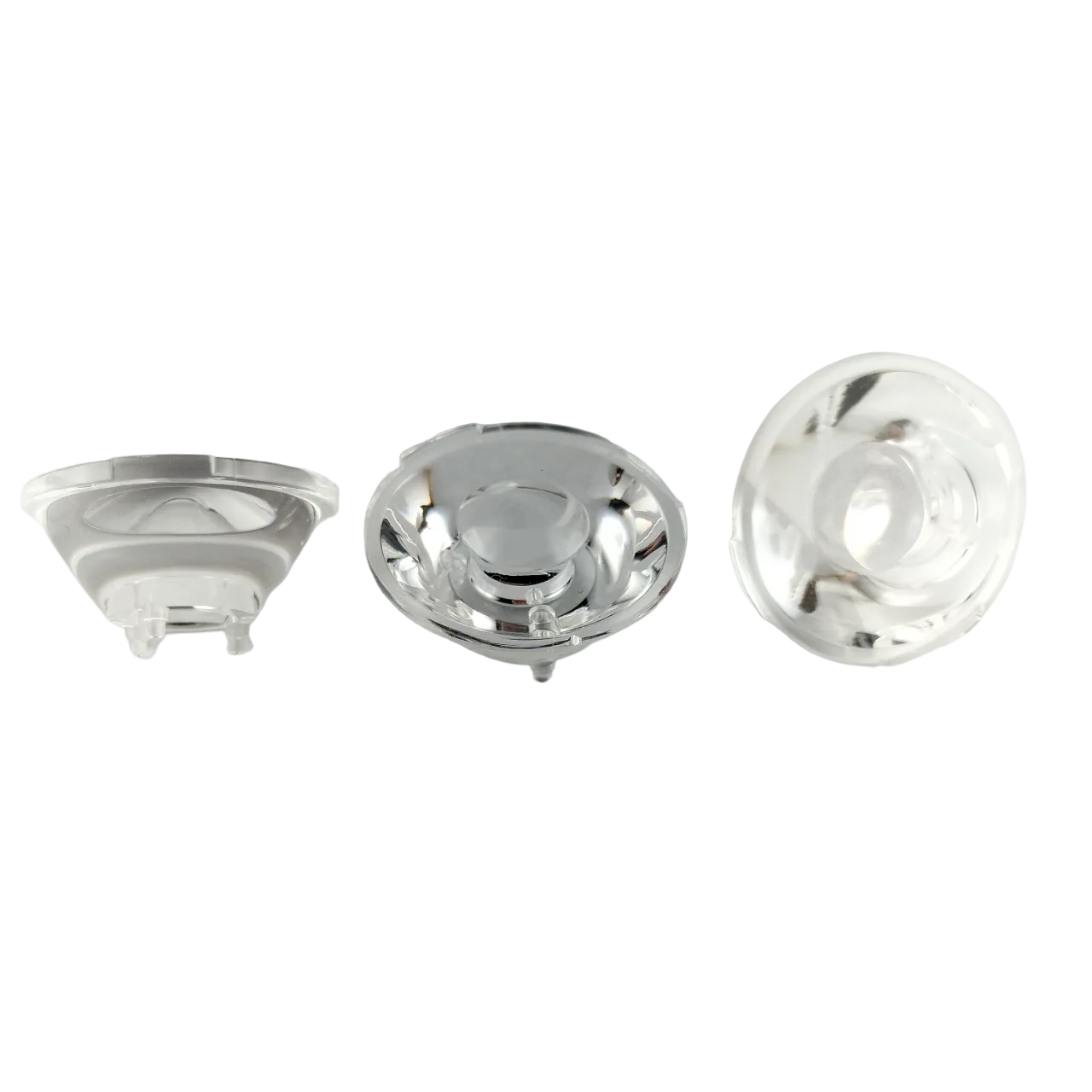
Light output comparison
To give a realistic impression of the light output of Magnic Microlight/Wega lighting, the video compares the front lights with an StVZO-approved switchable 25/40-lux LED bicycle light from a German manufacturer. For a meaningful comparison, a sequence with unchanged camera settings alternates between the battery light and Microlights. The cyclist rides in place on a roller trainer at varying speeds, with the battery light positioned alongside at the same height.
The sequence shows the battery light in 25-lux mode, Microlights when starting, Microlights at higher speed and finally the battery light in 40-lux mode.
Wega & Microlights do not reach the brightness of the 40-lux lighting, but in the comparison shown they can match the 25-lux lighting and exceed it at higher speeds.
Magnic Light is designed for minimal size, low weight and unlimited operating time without a battery.
StVZO approval
The approval number of the Microlight/Wega rear lights is ~~~K 2239*00.
The approval number of the Microlight/Wega front lights is ~~~K 2240*00.
Patents & technical background
Magnic Light main patent
Device for contactless power generation, in particular a bicycle dynamo, on a rotatable counter-element, in particular a wheel rim, with at least one movably mounted rotor element having at least one magnet and at least one coil, in at least one winding of which a current can be induced by the magnet moved with the rotor element and used to operate a load, wherein the rotor element can be moved by magnetic interaction with the counter-element. The invention also relates to a vehicle lighting system and to a bicycle with a corresponding power-generation device.
EP2593351 – status according to previous content: granted